No one alive today can describe Abraham Lincoln’s voice. However, barely a dozen years after that president’s death, several innovations began to capture sound analogously to the way a camera catches an image. While commonplace to us in the early 21st century, the ability to preserve auditory sensation is still a new thing and nothing short of miraculous. This class told the story of recorded sound from wax cylinders through MP3s, the progression from acoustic and electrical to digital with all the many iterations in between.
This class ran twice so far: in August of 2025 and again in January, 2026. During both iterations, the students and I explored inventions and their inventors plus the commerce and technology that fill our society’s ears to this day. We heard examples from each era and from every medium—cylinders, disks, film, TV, internet. The third, last segment turned into a memoir of how I discovered the gadgets and where they took me, in work and in play.
How We Heard It: a History of Recorded Sound
Outline
Day 1: acoustic era – 1876 to 1925
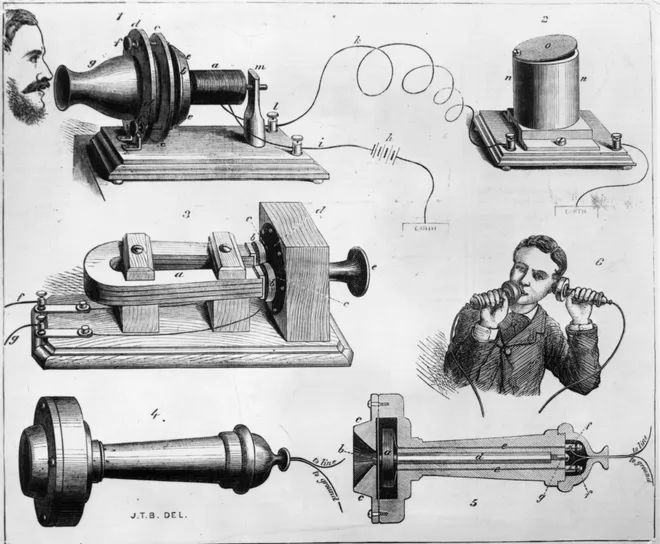
Bell’s telephone – 1876
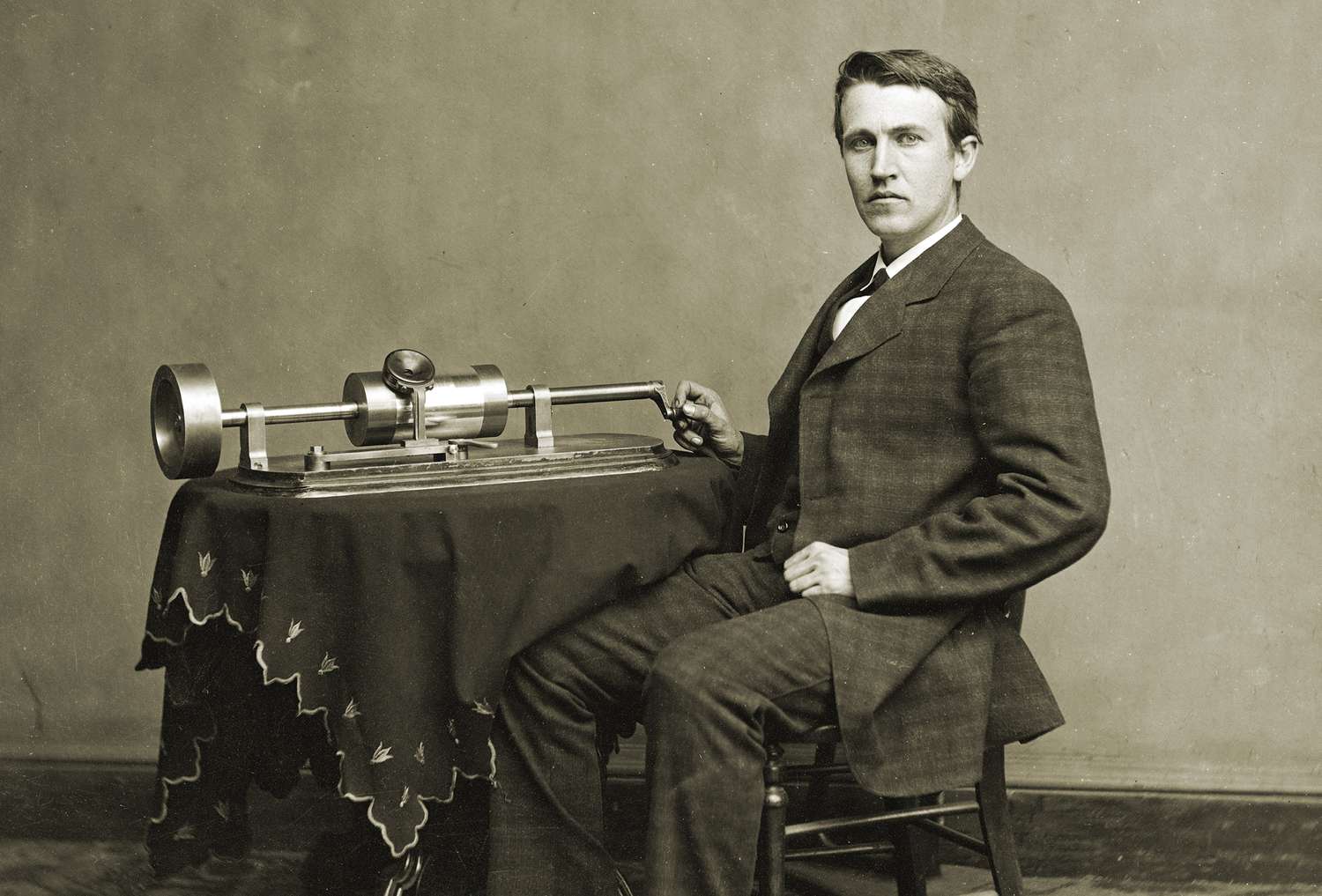
Edison’s wax cylinder – 1877
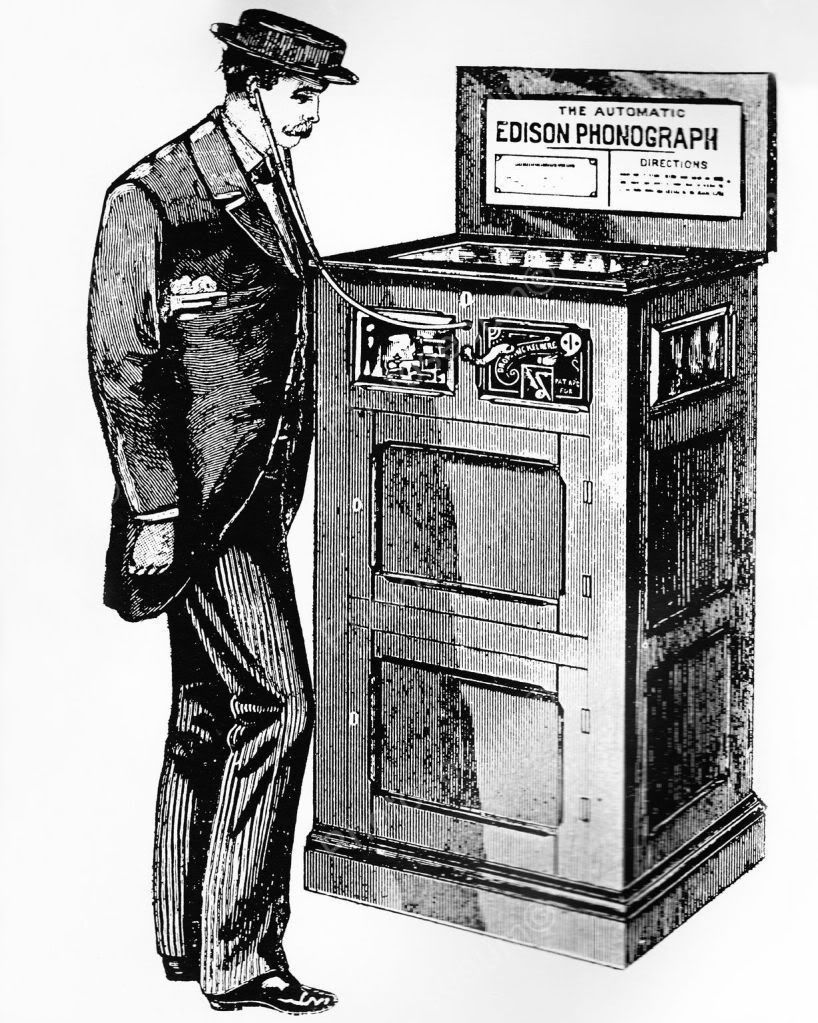
listening tubes, coin in slot
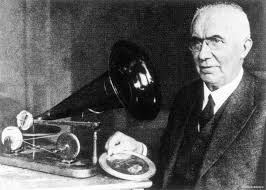
Berliner’s gramophone disk – 1887
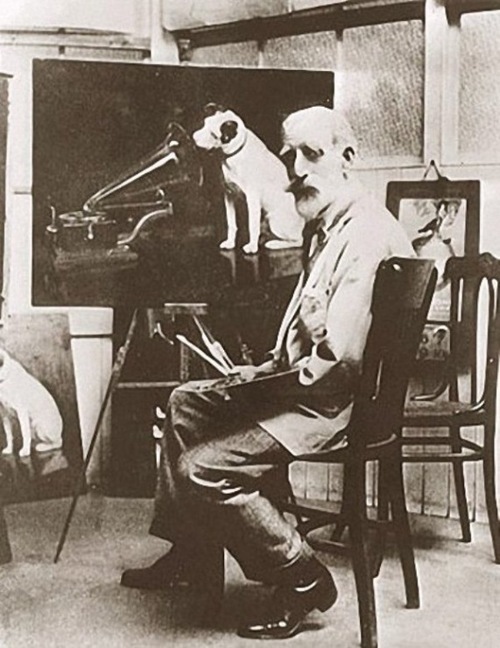
Francis James Barraud – 1899
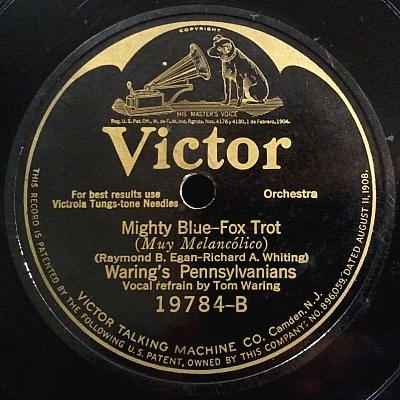
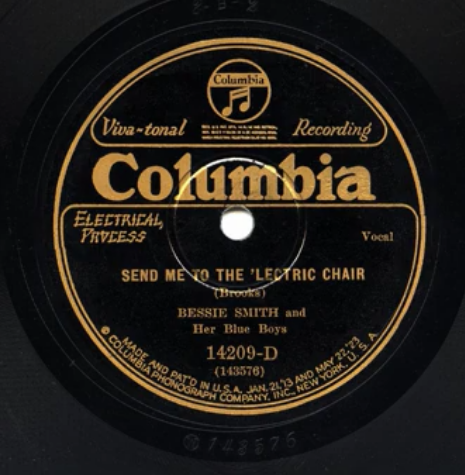
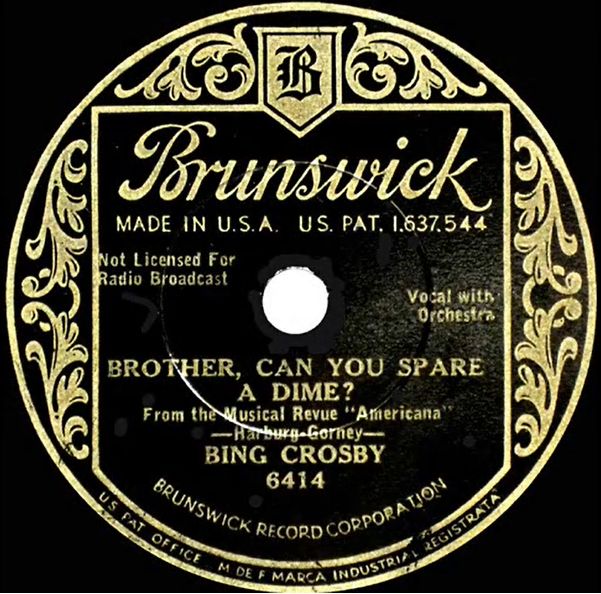
Victor-Columbia-Brunswick
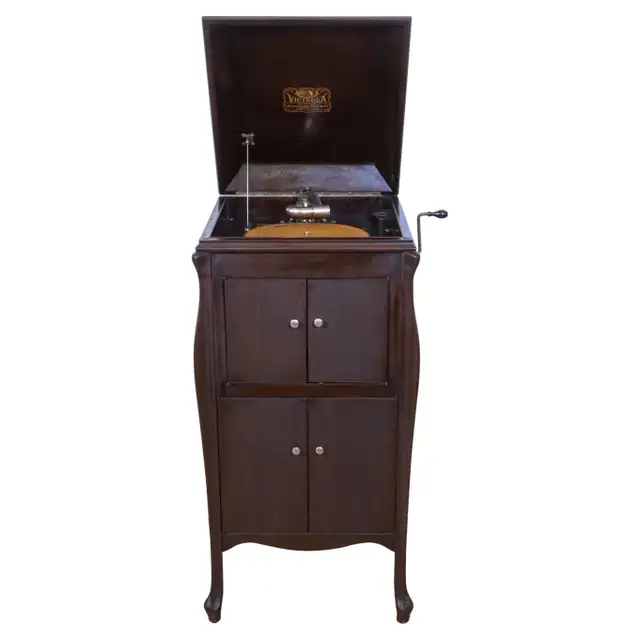
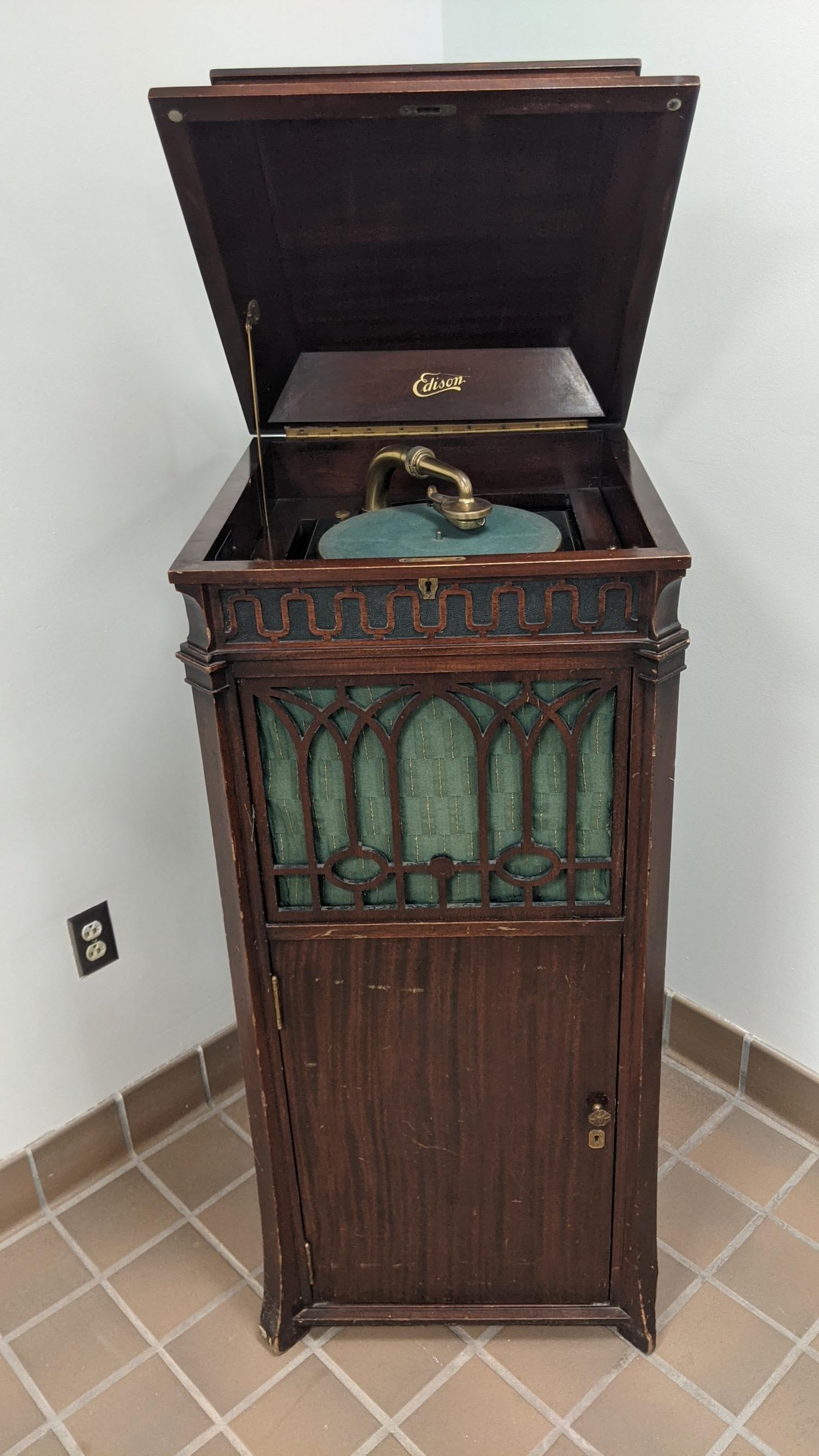
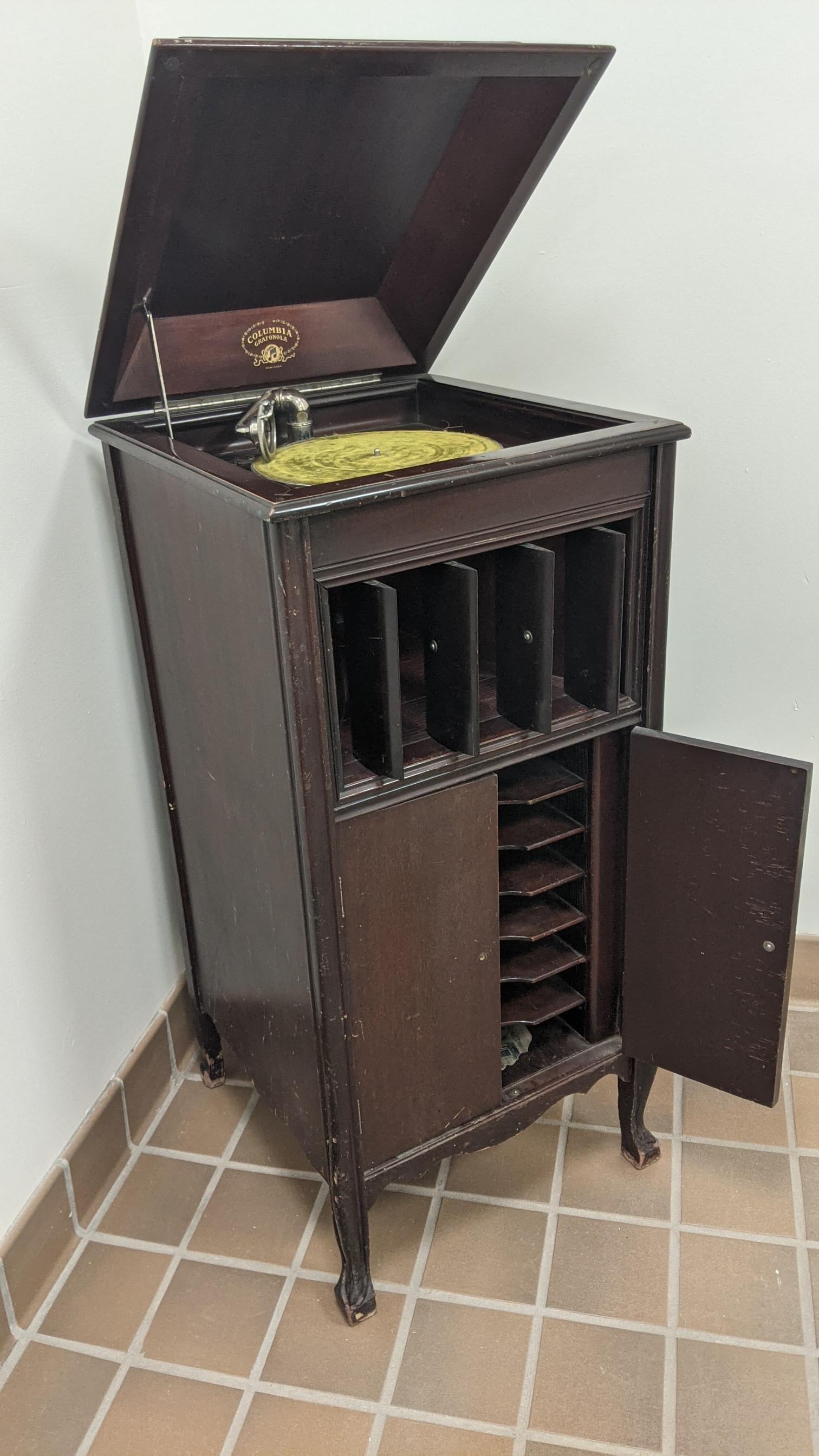
furniture: Victrola, Diamond Disc, Grafonola
Day 2: electric era – 1925 to 1945
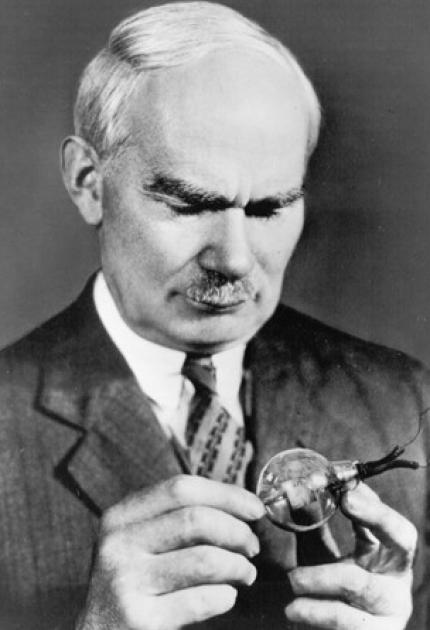
De Forest’s Audion tube
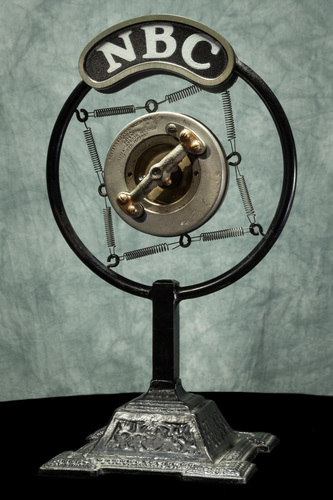
Western Electric
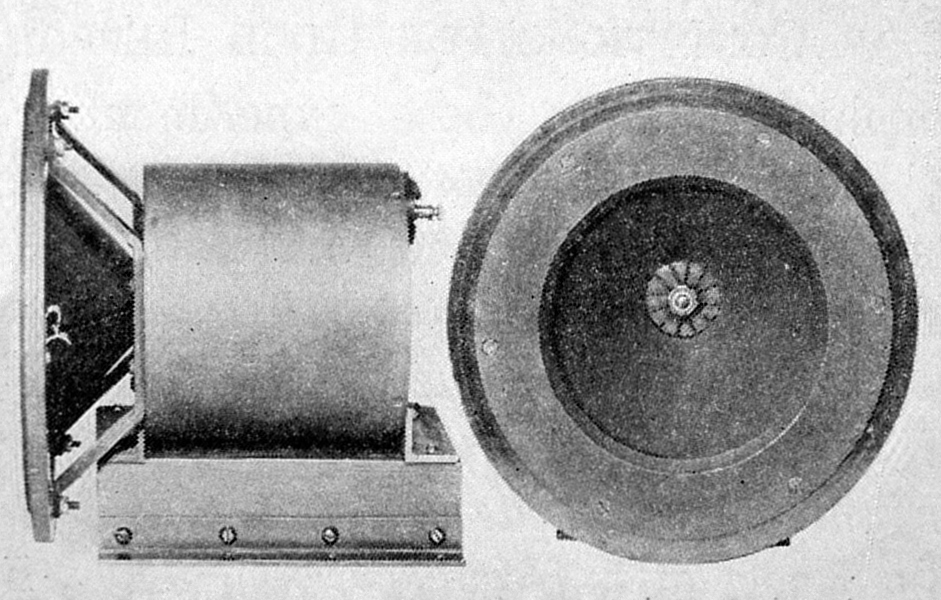
loudspeaker, 1925
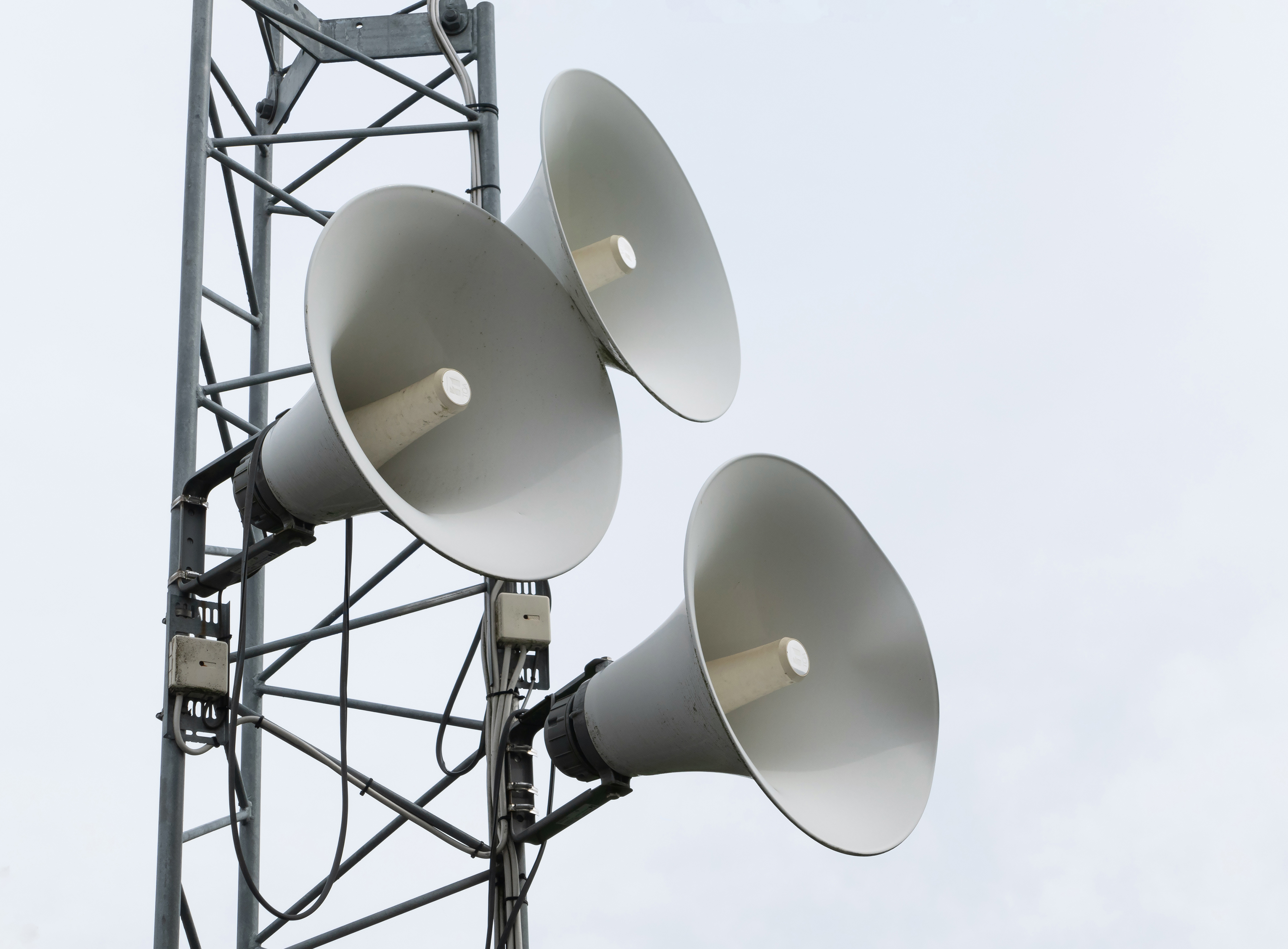
exponential horn
sound on film: Jazz Singer, 1927
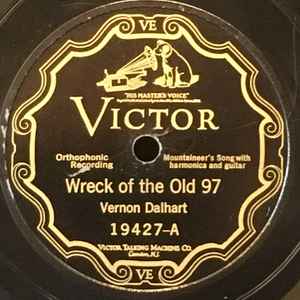
Sarnoff’s RCA acquires Victor, 1929
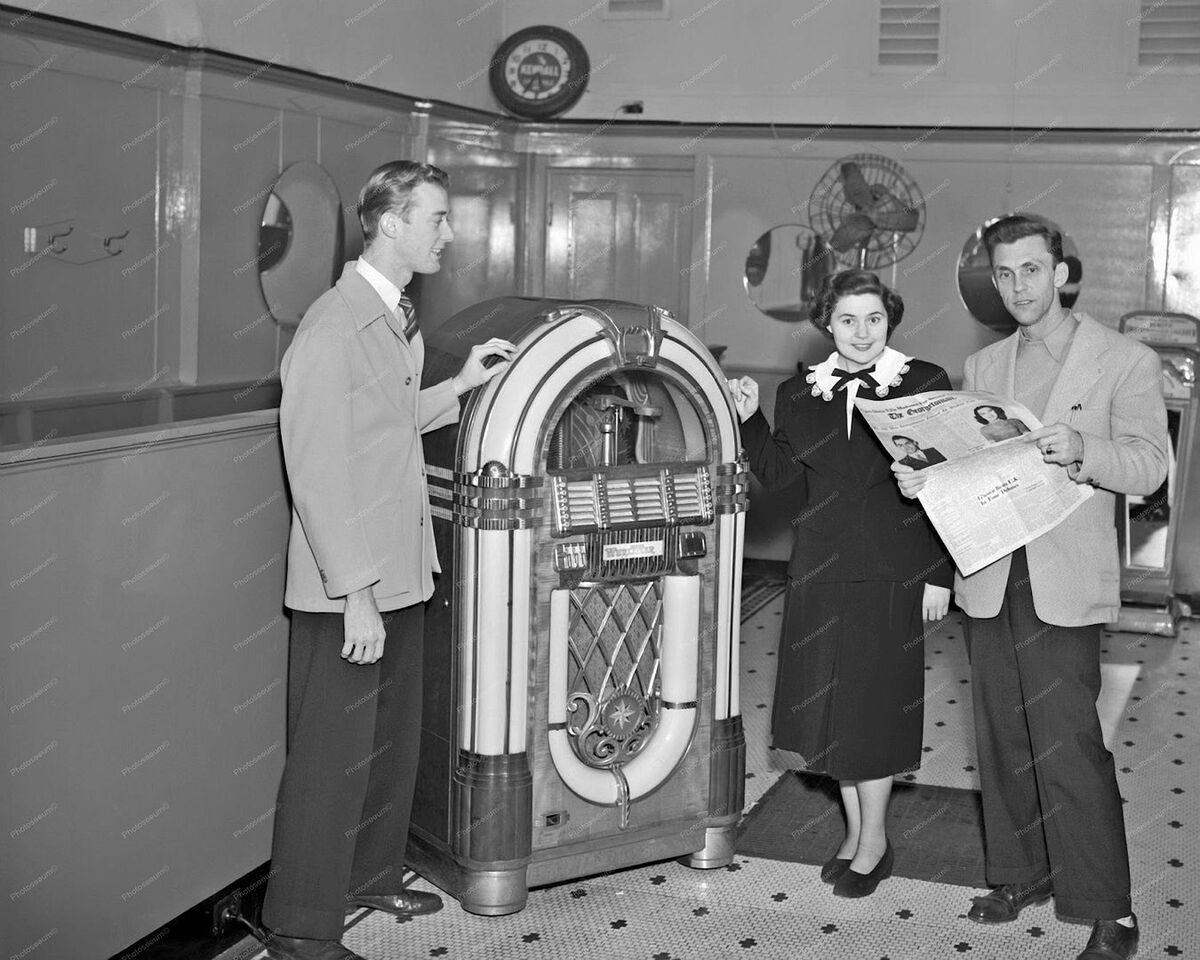
juke boxes
Day 3: magnetic era – 1945 to 1975
Here the narrative shifts to memoir: see Al’s Audio Museum
tape
microgrooves: 33⅓ & 45 rpm
home stereo
transistors
coming soon: digital era – 1975 to present
cassette – 1970s
compact disc – 1980
MP3s – 1995